
Your cart (0)
Your cart is empty
Tax included and shipping calculated at checkout
Your cart is empty
Tax included and shipping calculated at checkout

Table of Contents
Embarking on the open road with a travel trailer in tow is an experience laden with the allure of freedom and adventure. However, the pivotal role of a fresh water tank cannot be overstressed, as it ensures the journey remains as refreshing as the destinations explored.
This comprehensive guide delves into every facet of the fresh water tank in an RV – from capacity to maintenance, offering crucial insights for both seasoned travelers and those new to the nomadic lifestyle.

In the realm of RV travel, the fresh water tank is an unsung hero. It is an integral component that provides the water for all your needs – from drinking to showering, ensuring you remain self-sufficient on the road. Understanding its importance is paramount for a seamless journey.
RV fresh water tanks are constructed from various materials, each chosen for its durability and suitability to hold potable water.
Common materials include polyethylene, ABS plastic, and sometimes metal for larger tanks or specific custom applications.
The choice of material for an RV water tank is not arbitrary. It reflects a careful balance between strength, weight, and safety. Polyethylene, for instance, is favored for its resilience and resistance to cracking. It is a non-toxic plastic, making it ideal for storing drinking water.
Owners can rest assured that their freshwater tank, often labeled as an FW tank, does not impart any harmful chemicals into the water.
ABS plastic, another common material, is renowned for its toughness and impact resistance, which is crucial in the moving environment of an RV. Despite its strengths, it is less commonly used than polyethylene due to its slightly higher cost and weight.
Metal tanks are the giants of the water holding tank family. They are typically utilized in large RV classes, such as class A motorhomes, or where custom applications dictate specific tank shapes and durability requirements. However, they can add significant weight to the vehicle and may require more robust insulation to protect the water from temperature extremes.
Each material has its particular advantages and considerations. When discussing tank capacities and the specific needs of an RV's water system, the material from which the tank is made becomes a critical factor.
From the convenience of lightweight tanks that facilitate easy travel to the robustness required for the long haul, the material of a freshwater holding tank is a cornerstone of RV design.
The selection of your RV's fresh water tank size is more than a mere number; it is a critical decision that influences the overall comfort and practicality of your travel trailer lifestyle.
When considering the tank size, the decision extends far beyond simply looking at a brochure or specification sheet. It encapsulates the nuances of water use, the length of trips, and the volume of water necessary for all occupants and their varied activities, from cooking to showering.
RV water tanks are central components, integral to the function of every other water-dependent system onboard, from the sink to the shower drain.
Here are some specific considerations regarding water tank capacity:
The type of travel also impacts tank size. Boondocking or dry camping, where connections to external water sources are unavailable, necessitates larger tanks. On the other hand, frequent visits to full-service RV campgrounds with water hookups can alleviate the need for substantial onboard water storage.
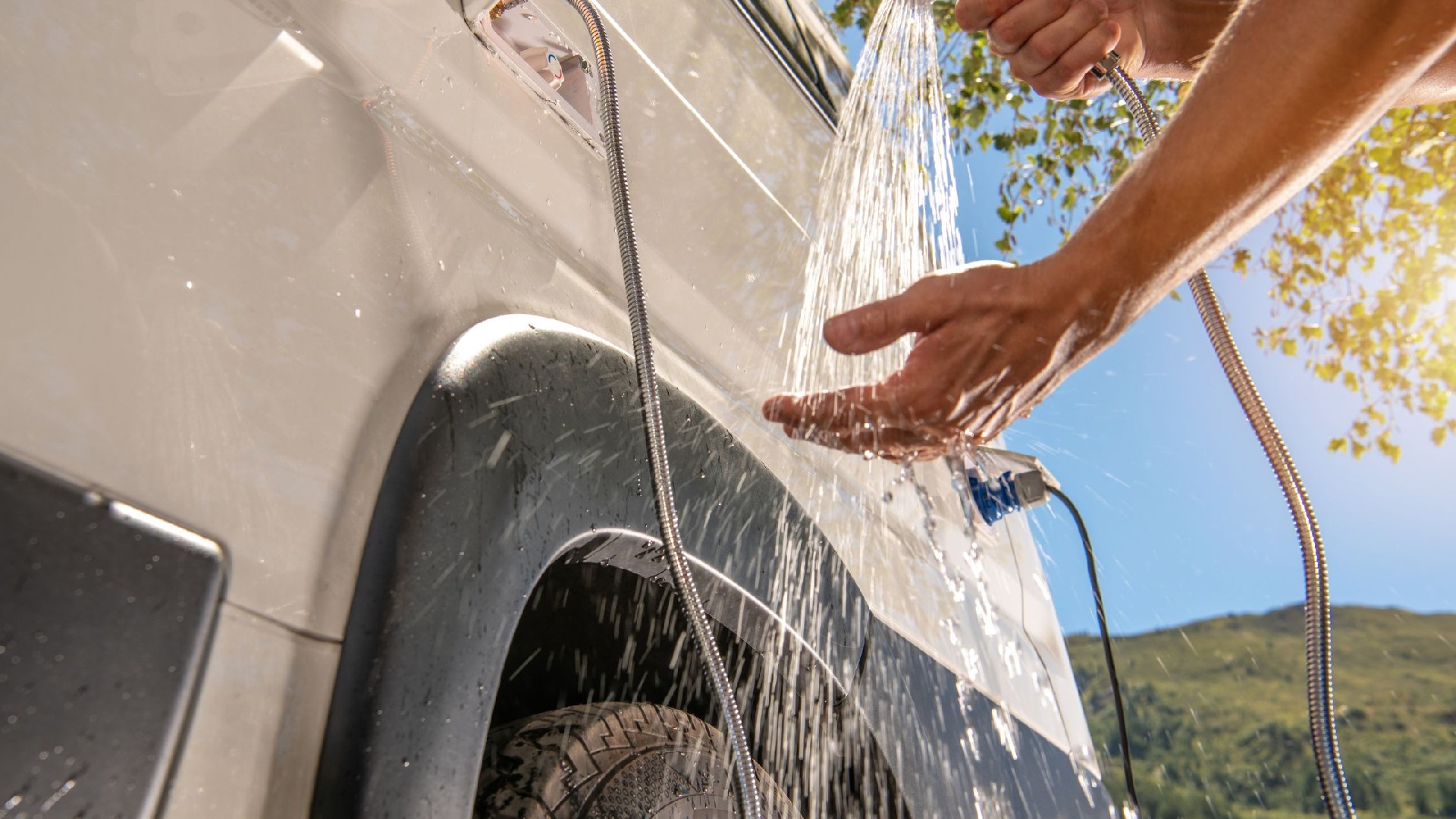
Travel trailers vary in fresh water capacity, commonly ranging from 20 to 100 gallons, meeting the diverse needs of travelers. The variance in tank size is a reflection of the broad spectrum of RV styles and traveler requirements.
Smaller travel trailers and camper vans, often designed for agility and minimalism, may house tanks on the lower end of the spectrum. Conversely, sprawling 5th wheels and class A RVs, where space and luxury are at a premium, frequently come equipped with larger tanks.
A 40-gallon water tank is often seen as a sweet spot, providing a balance of water availability and weight.
However, those with greater needs, or who frequent locations without water resources, might look towards 60 gallons or more as a necessity. It is not just about the capacity; it's about matching the tank size to the rhythm and style of your RVing life.
Black Series travel trailers come with
Factors like the duration of trips, number of travelers, and water usage habits must be considered when selecting a tank size. Here are a few more nuanced factors:
The intricate dance between weight, space, and necessity defines the decision-making process. A larger freshwater holding tank offers comfort and autonomy, but it also adds weight, which could affect fuel efficiency and vehicle handling. A delicate equilibrium must be struck, one that aligns the freshwater tank's capacity with the realities of the open road.
Traveling with a full tank offers convenience but comes with weight considerations and potential impacts on vehicle handling.
The full weight of water — approximately 8.3 pounds per gallon — can significantly increase the total weight of the trailer, influencing the ease of towing and maneuverability. It's a balance between the freedom of a full water holding tank and the practicality of travel dynamics.
RV owners must also be aware of the weight limits of their vehicle and ensure that a full freshwater tank does not cause them to exceed these limits.
Moreover, a full tank can affect the vehicle's center of gravity, potentially altering its handling characteristics.
Another consideration is the structural integrity of the tank and its mounting in the RV. The tank must be properly secured to handle the dynamic forces at play while the vehicle is in motion.
Additionally, the water system, including the water pump and hoses, should be checked regularly for leaks or damage, as these can become problematic, especially when the tank is full and water pressure is at its highest.
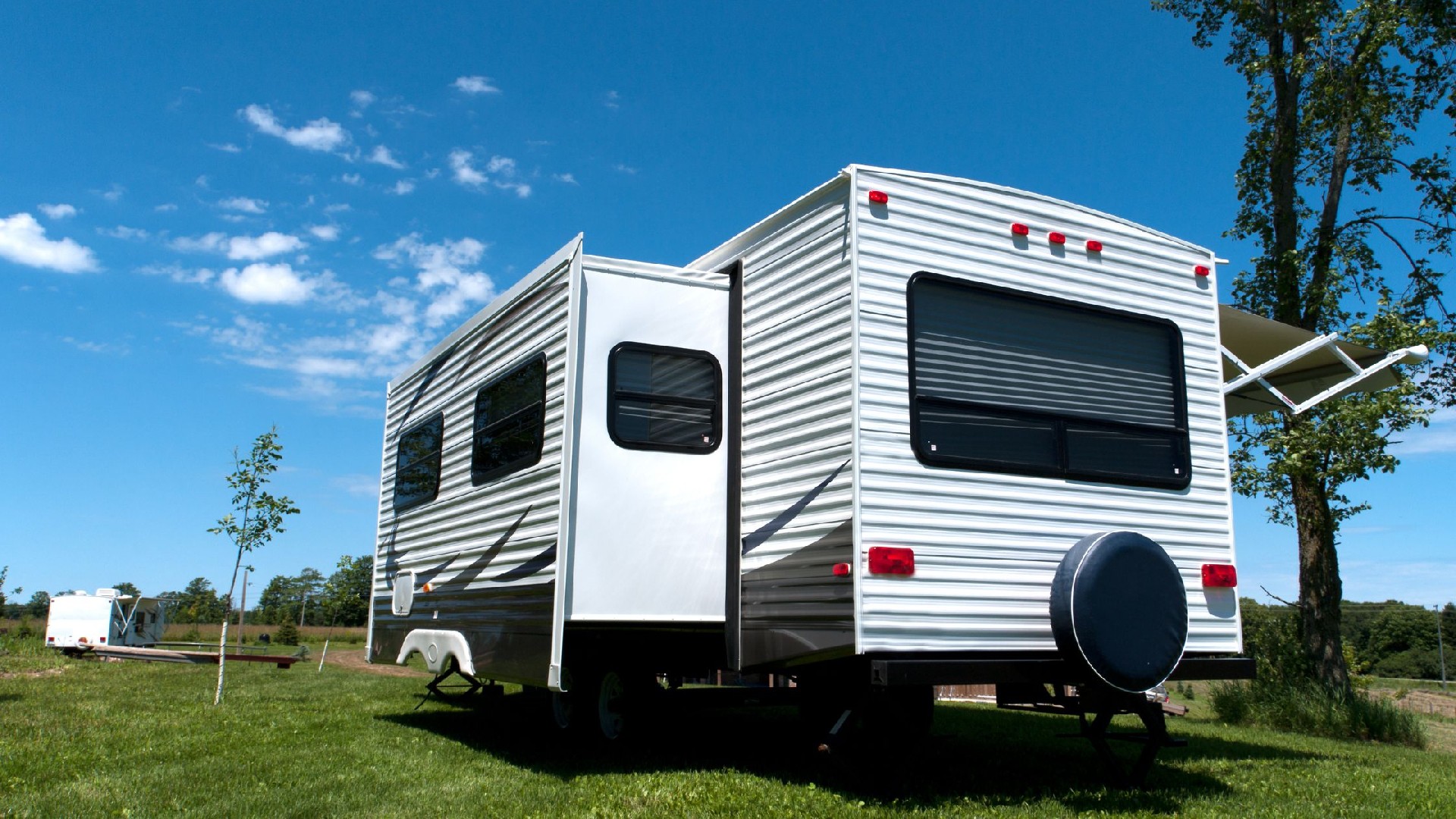
RVs can come with tanks that hold over 100 gallons, catering to those who prioritize water availability over the ease of maneuverability.
Efficient management of fresh water in an RV transcends conservation; it is about understanding consumption patterns and adapting to them.
As owners of these mobile abodes, the emphasis on sustaining the freshwater tank's supply hinges on a multifaceted approach that touches upon awareness, conservation, and proactive monitoring.
This methodical practice not only preserves this valuable resource but also ensures a harmonious and sustainable RV lifestyle, vital for both short jaunts and extensive journeys.
Determining how long a freshwater tank will last in an RV requires more than a glance at the gallon capacity—it calls for a keen understanding of the occupants' water usage habits. For instance, an RV holding 40 gallons of water might sustain a solo traveler for weeks yet deplete within a few days for a family. The length of showers, frequency of cooking and cleaning, and other water-centric activities like washing dishes or even the occasional splash to cool off on a sweltering day will collectively dictate the longevity of the freshwater supply.
RV owners often engage in water-saving practices to prolong their freshwater supply.
Implementing strategies such as using biodegradable soap to minimize gray water tank contamination or embracing "navy showers"—turning off the water while soaping—can make a palpable difference.
Moreover, employing a dual sink system allows one to wash and rinse dishes more efficiently, curtailing water usage further.
Collecting rainwater and using it for tasks such as flushing the toilet or washing the exterior of the RV also showcases a resourceful adaptation to conservation.
Monitoring water levels is done via onboard sensors or through manual inspection, ensuring tanks are not overfilled to prevent damage.
Sophisticated RV models may include sensors that offer digital readouts, presenting a clear indication of the water tank's status, while others may require a visual check. It's a delicate balance—ensuring the tank is sufficiently filled for the road ahead without surpassing the brim.
An overfilled tank not only risks structural integrity but could also lead to inconvenient spillages.
Regularly changing water in your tank is essential for preventing stagnation and maintaining quality. The timeline can vary based on usage and storage conditions.
For an RV not in constant use, refreshing the water every two weeks is advisable to prevent bacterial growth. For those living the RV life full-time, monitoring the water's odor and taste becomes second nature, prompting a change when the freshness is compromised.
This simple yet vital task is as crucial as any maintenance routine, ensuring that the water system serves its purpose without becoming a liability.
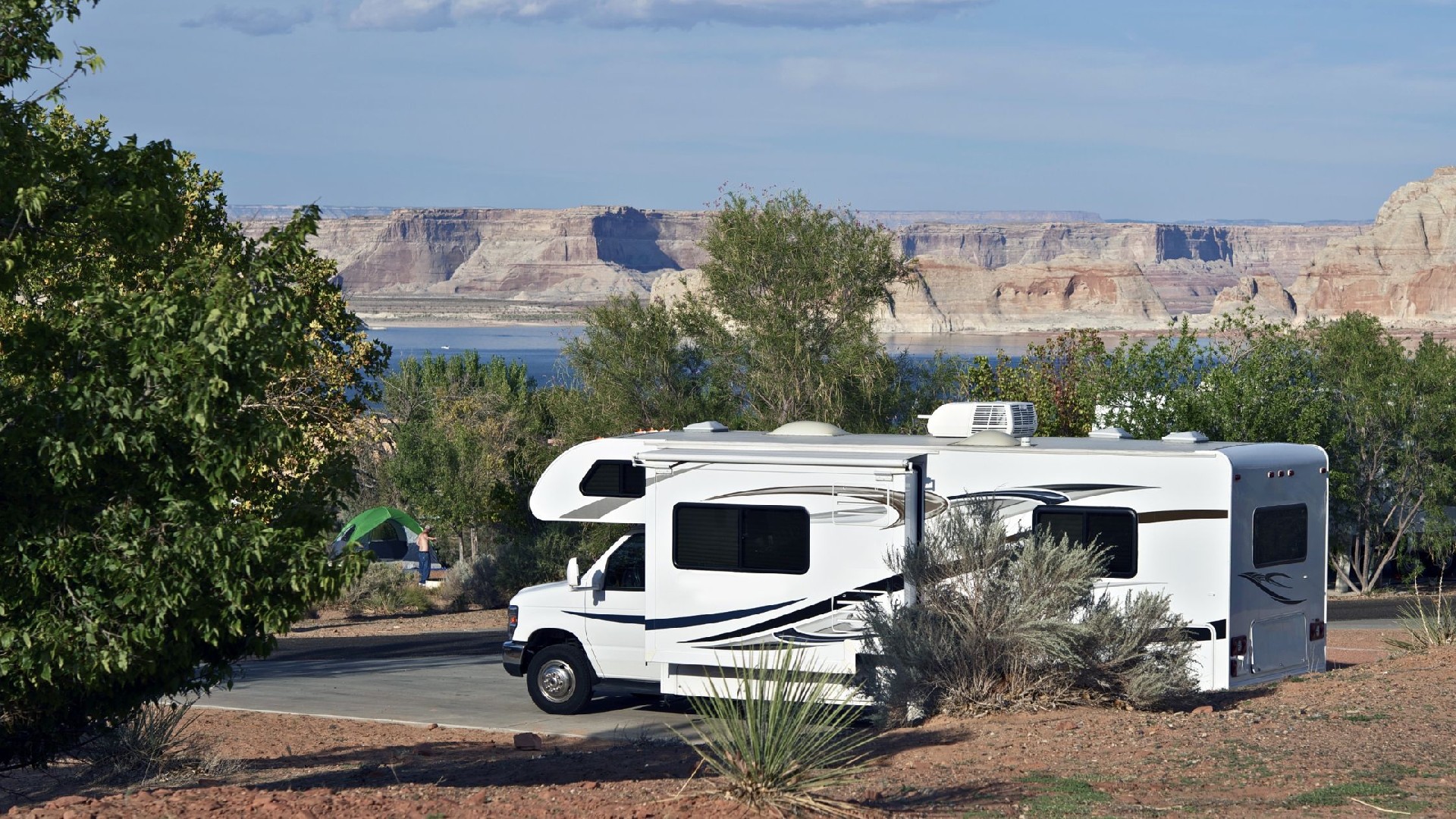
Maintenance of an RV's fresh water tank is a straightforward yet vital routine that involves regular cleaning, inspection, and treatment. Ensuring that your travel trailer's freshwater tank is properly maintained is key to preserving the water's quality and extending the life of your RV's water system. The process, while methodical, need not be daunting. It is about integrating regular checks and cleaning into your RVing lifestyle, much like the regular maintenance checks of a vehicle.
To maintain a pristine condition within your camper's freshwater tank, a combination of vigilance and routine treatment is necessary. This includes:
The frequency of sanitizing an RV freshwater tank largely depends on the level of usage and the source of the water being filled into it:
Sanitizing the fresh water tank and lines of your RV involves a series of steps to ensure the elimination of all harmful bacteria and pathogens:
For those seeking a more natural approach to sanitizing their RV water tank without compromising effectiveness, vinegar is an excellent option:
Understanding the financial aspect of owning and maintaining an RV's fresh water system, including the costs involved in replacement, can help you budget effectively for the long term.
The price of replacing an RV fresh water tank will not be a flat rate; it varies widely depending on several factors including the tank size, the material it's made from, and whether you'll be doing it yourself or hiring a professional.
When considering a fresh water tank replacement, RV owners should first assess their water tank capacity needs. Typically, tank sizes can range from 15 gallons to over 100 gallons, with corresponding price variations. Smaller RV classes, such as class B or C RVs, may have smaller tanks than the larger class A motorhomes. Here's a breakdown of potential costs:
Remember, when you're replacing your fresh water tank, it's an opportune time to consider upgrading your RV water system's overall functionality and efficiency.
For example, investing in a tank with advanced sensors can help you monitor water levels more accurately, potentially avoiding the inconvenience of unexpected shortages during a trip.
When your camper's fresh water tank smells, it's more than an inconvenience. It's an indicator of underlying issues that need immediate attention. Often, the issue can stem from stagnation, bacterial growth, or contamination from external sources.
The use of bleach is a common practice for sanitization, with many seasoned RVers incorporating it into their regular maintenance routine. Here's what to consider:
Leaving fresh water in your RV tank is acceptable for short periods. However, for the well-being of your RV's water system and to maintain the quality of water, consider the following:
Preparing your RV's fresh water tank for different seasons ensures functionality and longevity, whether you're braving freezing temperatures or gearing up for summer travels.
Proper seasonal care can prevent issues like tank cracking or water contamination.
In colder climates, it's not uncommon for RV holding tanks to freeze. Here are preventive measures:
Guidelines for water storage vary, but best practices suggest not leaving water for extended periods to avoid quality degradation. Here are some considerations:
For many travel trailer enthusiasts, the standard water tank capacity may not suffice, especially for extended trips or larger groups. Thankfully, several options can boost your RV's water storage.
Apart from upgrading the primary freshwater tank, RVers can explore other water storage systems that cater to specific needs:
Navigating the RV lifestyle isn't just about freedom and adventure; it's also about responsibility. Understanding the regulations surrounding water use and disposal is essential for every RVer.
Ensuring adequate fresh water capacity in your travel trailer goes beyond convenience; it's about sustainability, responsibility, and making the most of your RVing adventures.
By understanding your needs, staying updated with the latest technologies, and being mindful of environmental considerations, you can enhance your travel experiences and tread lightly on our precious earth.
Explore the Black Series lineup
Ready for the trail? See the Black Series HQ19 Luxury Off-Road Travel Trailer — built for long, off-grid expeditions.
Related reading:
Keep going: Black Series guides hub