
Your cart (0)
Your cart is empty
Tax included and shipping calculated at checkout
Your cart is empty
Tax included and shipping calculated at checkout

Table of Contents
Imagine you're miles into the serene embrace of nature, your travel trailer a cozy beacon amidst the wilderness. In this idyllic setting, managing gray water effectively becomes a quintessential part of your journey.
Gray water, the used water from your sinks and showers, is an inevitable byproduct of your adventure. Addressing it is not just a practicality—it's a matter of environmental stewardship.
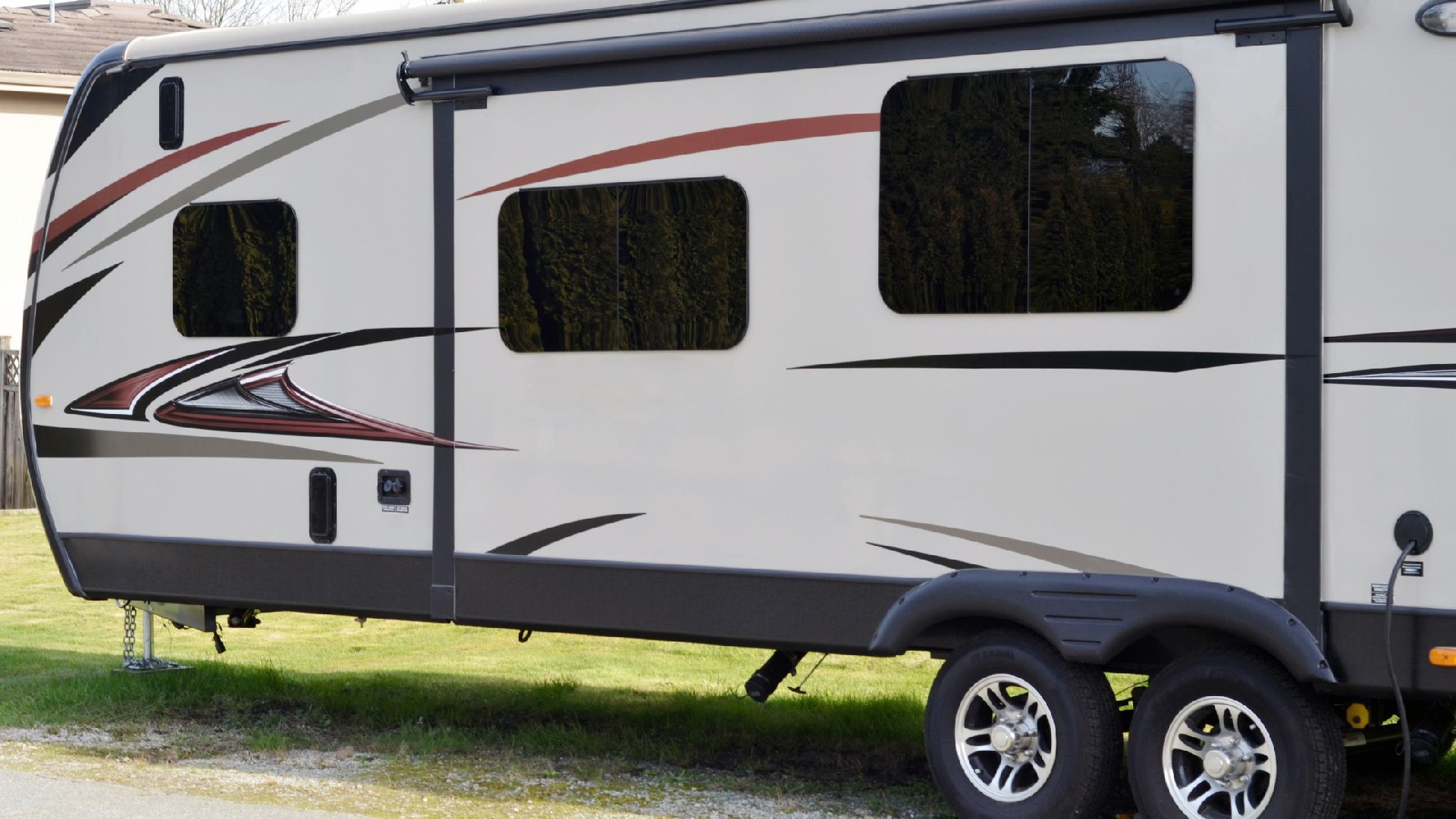
The gray water tank in a travel trailer is a holding basin for water that's been used in the kitchen and bathroom, excluding the toilet. Unlike black water, gray water doesn't contain sewage but may include soap residue, food particles, and grease.
Understanding the differences between your travel trailer's water tanks is crucial:
Travel trailers are equipped with gray water tanks to hold wastewater from sinks and showers before it's properly disposed of. The capacity of these gray water tanks varies widely, typically ranging from 28 to 78 gallons. This variation exists to accommodate the differing needs and designs of travel trailers. A compact camper designed for a couple may find a 28-gallon tank sufficient, while a larger model intended for family road trips may require up to 78 gallons to ensure the water system meets the needs of all occupants without constant trips to the dump station.
Travel trailers come in various shapes and sizes, and so do their gray water tanks. Here's a closer look at the typical capacities:
In addition to these categories, custom builds and luxury RVs may have tailored tank sizes to match the unique needs of their users. Whether it's for extended camping or full-time RV living, the capacity can be a major consideration for potential buyers who are keen on understanding every aspect, from the shower drain to the kitchen sink usage.
Black Series Travel Trailers feature a polyurethane fresh water tank of 26.42 gallons. Although not directly linked to the gray tank, it gives an idea of water use and subsequent gray water tank size needs.
Design considerations and usage expectations are primary factors that shape the gray water tank's capacity. But what goes into these considerations? It's a careful calculation that includes several aspects:
Legal regulations have a significant impact on the size of gray water tanks. These laws are in place to ensure environmental safety and compliance with national and local regulations. Manufacturers must navigate a complex set of requirements:
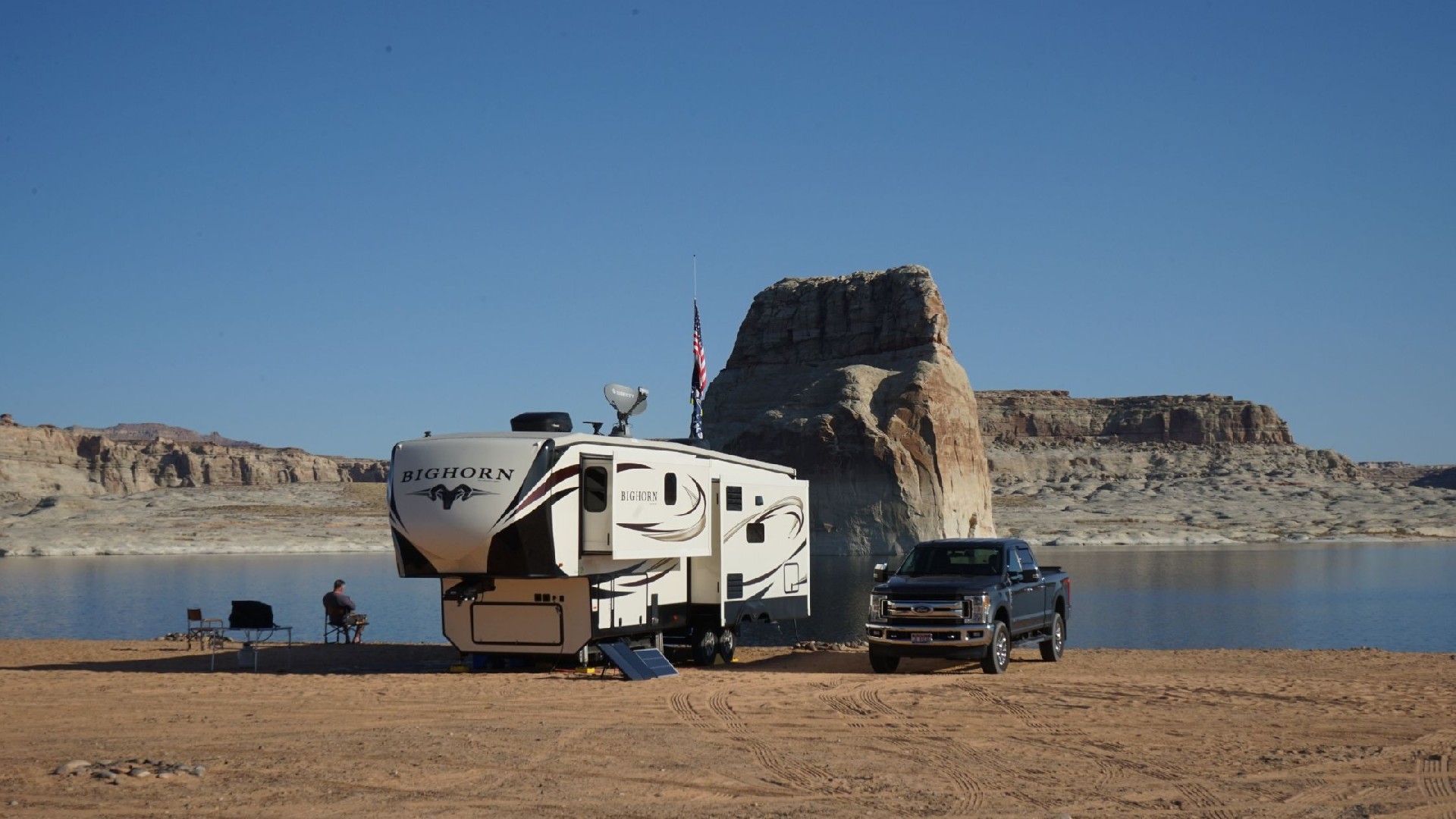
The average time it may take for a gray water tank to fill can be anywhere from a couple of days to a week, depending on the aforementioned factors.
Estimating when a gray water tank will reach its capacity is not merely about number-crunching; it is about understanding a dynamic that involves numerous variables.
These include the tank size, the number of people using the facilities, and their specific water use habits, which can fluctuate greatly.
For instance, an RV holding tank in a camper serving a family of four will fill up much quicker than one used by a solo traveler.
Usage patterns, like taking daily showers or washing dishes frequently, also significantly affect the tank's fill rate.
Notably, gray water tanks in RVs, travel trailers, and class A to class C motorhomes are designed to hold water from sinks and showers, but not from toilets—that's the job of the black water tank.
A standard RV gray water tank size may range from 40 to 60 gallons, while fresh water tanks can be slightly larger to ensure an adequate supply. Monitoring the rate at which water from the kitchen sink, shower drains, and bathroom sinks accumulates in the tank is crucial.
Pay attention to how the water drains; if your shower drain or sink starts to gurgle or drain slowly, it's a sign that the gray tank is approaching its full capacity.
Monitoring the levels of your RV's gray water tank is a crucial routine that ensures the longevity of your vehicle's plumbing system and prevents inconvenient overflows. The industry has developed a range of tools to help with this task.
Tank sensors, for example, offer a digital readout of the current level, although they can sometimes provide inaccurate readings if not maintained properly. Manual inspection, though more labor-intensive, can serve as a reliable cross-check against sensor data.
Here are additional methods to monitor gray water tank levels effectively:
A systematic approach, incorporating both technological and manual methods, offers the best chance of accurately assessing tank capacity. It's a necessary discipline that, when neglected, can lead to messy complications.
Upon discovering that your gray water tank is full, immediate action is required to avoid any backup of wastewater into the living space.
This not only poses a health hazard but also can result in an unpleasant experience during your road trip or camping adventure.
The disposal of gray water must be carried out with a mindfulness of the environment and adherence to the regulations in place, which can vary by location.
When it's time to empty the gray water tank, proper technique is vital for environmental protection and to maintain the integrity of your RV's water system. Follow these steps to ensure a safe and efficient emptying process:
Adhering to these steps diligently every time will preserve your system's function and prevent contamination of the site.
Encountering problems with a full gray water tank is not uncommon, and knowing how to address these issues is part of effective RV management. If the tank seems full yet water is not flowing out as it should, it may be time to troubleshoot:
Ethical and legal standards guide the disposal of gray water to protect the ecosystems often vulnerable to contamination from campgrounds and RV parks.
Adhering to campground or local disposal site rules not only assures compliance with regulations but also fosters a guilt-free conscience for the environmentally conscious traveler.
The importance of following these protocols cannot be overstated, as gray water often contains detergents, food particles, and other residues that, while not as immediately hazardous as black water, can still pose a threat to local flora and fauna.
When considering whether you can legally dump gray water on the ground, it's crucial to recognize that regulations are not uniform and can vary widely.
Many areas, particularly those that are environmentally sensitive, have strict prohibitions against such practices to prevent the introduction of potential pollutants into the soil and groundwater systems.
It's always necessary to verify local laws through campground posts or by contacting local environmental agencies.
Alternative options such as using designated dump stations or on-site disposal facilities can mitigate the impact on the environment. Ignorance of the law is not a defense; thus, RVers should actively seek out this knowledge to avoid penalties and contribute to conservation efforts.

Regular cleaning and maintenance of your gray water tank are key to preventing unpleasant odors and ensuring the tank's longevity. RVers should use recommended cleaners specifically designed for gray water tanks to avoid damaging the tank or the sensors within it.
Scheduling routine maintenance, much like one would service a vehicle, ensures that the complex system of valves, tanks, and sensors continues to function properly.
A clogged gray water tank in an RV can manifest through several telltale signs. Slow drainage from the kitchen or bathroom sink, or the shower drain, usually indicates a problem. An unmistakable sign is the presence of unpleasant smells, suggesting that waste water is not being evacuated as it should be, allowing odors to build up.
Other indicators might include the water tank capacity sensors showing incorrect readings due to solids or grease obstructing the sensor's ability to gauge accurately.
Maintaining the integrity of your RV's gray water tank involves a thorough cleaning process, which should be carried out with diligence and frequency. Begin by draining the tank fully at a designated dump station to remove all waste water.
Once empty, flush the tank with a tank cleaning solution or a DIY mixture of water and vinegar, which can help to break down any remaining residues without the harshness of chemical cleaners.
After allowing the mixture to work its way through the system, rinse the tank thoroughly, checking for clear water flow, which suggests a successful cleaning.
It's important to ensure that all the components, such as the tank valve and sewer hose, are also flushed to prevent any waste from clinging to the sides and creating a blockage.
Maximizing the interval between dumps and enhancing tank efficiency are pivotal for RV enthusiasts aiming to prolong their stays in the wilderness or at campgrounds without the convenience of full hookups.
Water conservation methods, when coupled with judicious usage monitoring, stand as the twin pillars of effective gray water management. Below are some nuanced strategies to improve gray water capacity and management:
Understanding the nuances of your RV's plumbing, such as the capacity of the fresh water tank versus the gray water tank and how quickly each fills up, is essential.
For example, if your fresh water holding tank is larger than your gray tank, you will need to adjust your water usage to prevent overfilling the gray tank.
Gray water, with its origin from showers, sinks, and washing machines, holds potential for reuse, albeit within the boundaries set by safety considerations and local regulations. Here's how gray water can be repurposed:
These reuse methods necessitate a clear understanding and strict adherence to local regulations regarding gray water disposal and reuse, as the presence of organic material, food particles, and potential pathogens can pose health risks if not managed correctly.
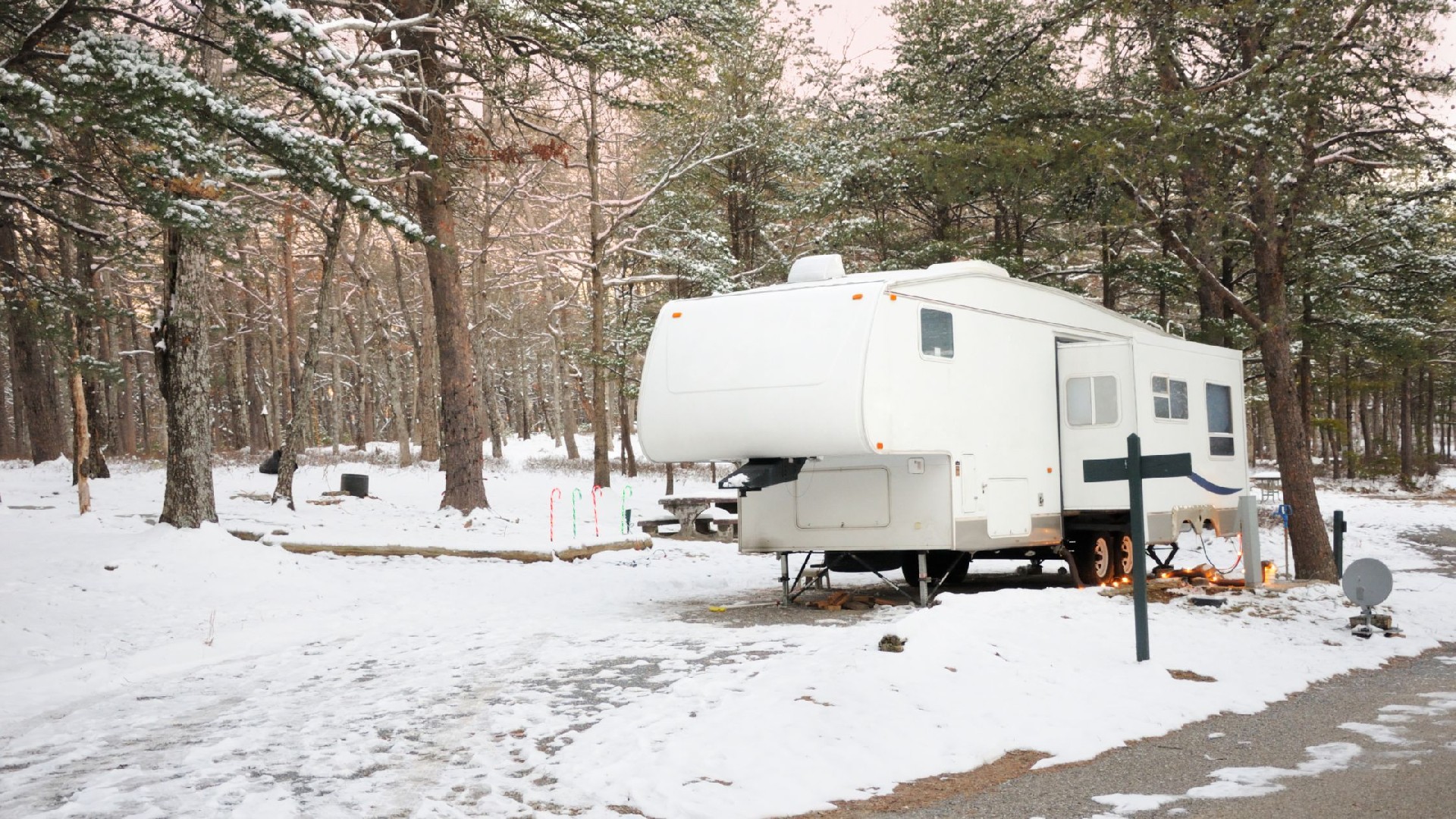
For those preparing for extended road trips in their camper or class A, B, or C motorhomes, effective management of gray water is a must. An RV's journey can be marred by the need for frequent waste tank dumps, but with smart planning and mindful water use, one can mitigate this inconvenience. The steps to manage gray water effectively include:
Being strategic about where and when to dump is also critical. Locating campgrounds with convenient dump stations or mapping out dump station locations along your route can save you from being caught in a tight spot.
The understanding of your water system, from the kitchen sink to the shower drain, plays a crucial role in fostering a harmonious relationship with the natural world, ensuring that the adventures on the road remain uninterrupted by gray water tank issues.
Whether it's through repurposing gray water or simply ensuring the efficient use of your water valve, each action contributes to a more seamless and responsible RV lifestyle.
Explore the Black Series lineup
Ready for the trail? See the Black Series HQ19 Luxury Off-Road Travel Trailer — built for long, off-grid expeditions.
Related reading:
Keep going: Black Series guides hub