
Your cart (0)
Your cart is empty
Tax included and shipping calculated at checkout
Your cart is empty
Tax included and shipping calculated at checkout

Table of Contents
In the realm of RV camping, the debate between travel trailers and pop-up campers is as intense as tent camping versus RVing. RV camping has seen a significant uptick in popularity, with many opting for either travel trailers or pop-up campers.
These two offer unique camping experiences, but understanding their intricacies will help you choose the best fit for your adventures. Both options have their merits, but which one truly reigns supreme? Read on to find out.
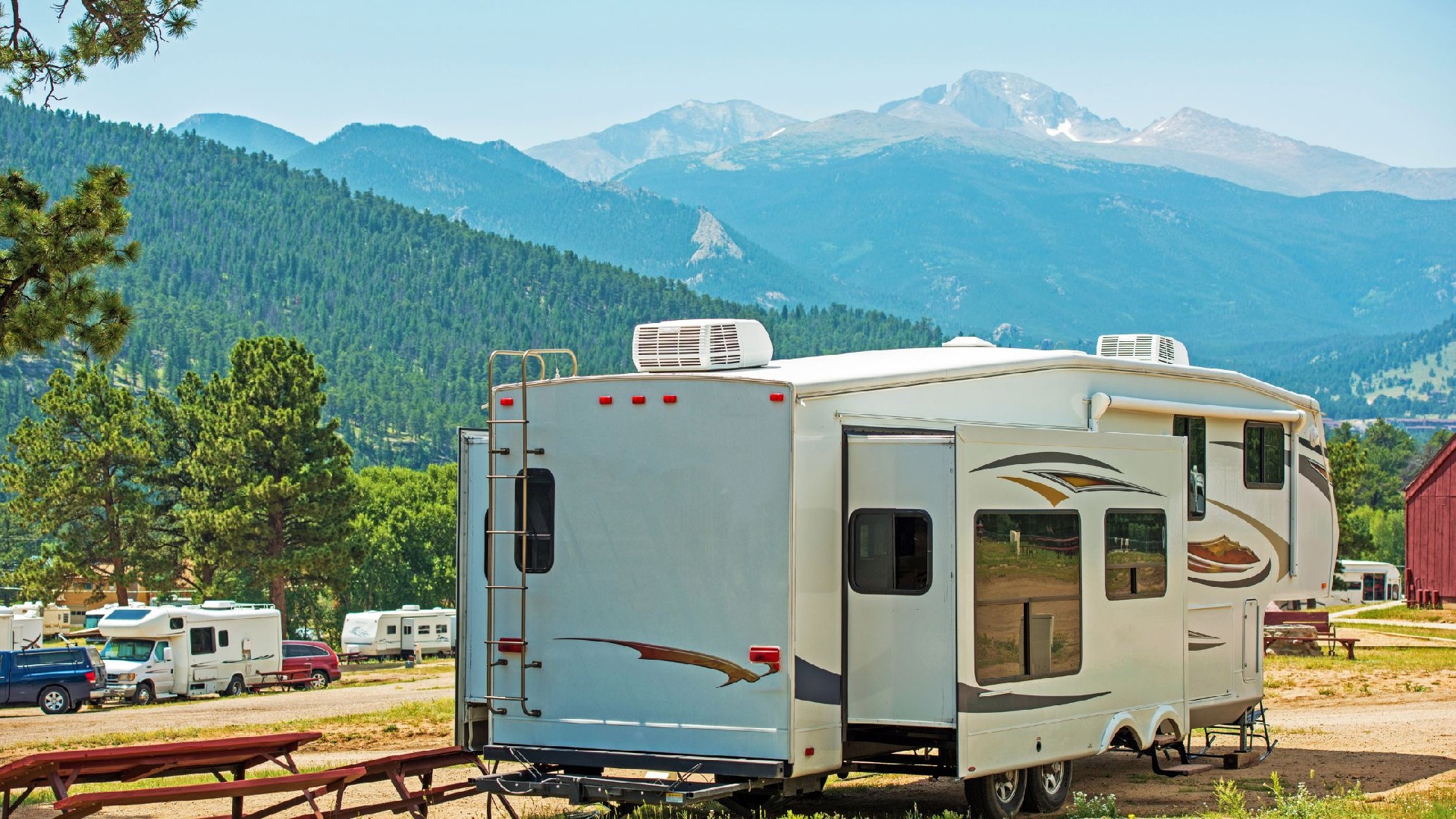
At a glance, travel trailers often look like a mini mobile home on wheels, promising the comforts of home during a road trip. On the other hand, pop-up campers, also known as tent trailers, possess a unique charm, offering a blend of traditional tent camping and the convenience of RVing.
Travel trailers, in their essence, offer a robust and solid structure, teeming with amenities ranging from kitchens to bathrooms. Their sturdy design is tailored to offer the luxuries of home on wheels, ensuring that travelers don't miss out on any comforts during their adventures. Contrarily, pop-up campers are compact and foldable units that expand when set up. Their canvas walls give occupants a closer-to-nature camping experience, something that many purists appreciate.
A travel trailer is essentially a home on wheels. Many camping enthusiasts opt for this type of vehicle for its seamless blend of comfort and convenience. Whether you're a couple seeking a romantic getaway or a family aiming for a fun-filled camping trip, travel trailers provide ample room and amenities for all.
Owning a travel trailer comes with a slew of advantages that cater to a wide range of needs:
However, with all their features and conveniences, they come with certain challenges:
Travel trailers stand out for their superior build quality and the luxurious amenities they offer, which aren't commonly found in pop-up campers.
From queen bed options to intricate floor plans, they offer something for everyone. Moreover, many models come with slide-out sections, increasing the interior space and enhancing the living experience.
A pop-up camper, synonymous with a tent trailer, is a compact unit that can expand significantly when set up. When driving, it remains condensed, making it easier to tow. Once you reach the campsite, with a bit of effort, it unfolds to reveal a sizable living area, often surprising to first-time viewers.
There are several compelling reasons why campers swear by pop-up models:
However, every rose has its thorn:
Pop-up campers are lauded for their lightweight build and cost-efficiency. Their design prioritizes the camping experience, getting you closer to nature. A common feature in many models is the pull-out beds on either end, maximizing sleeping space. Additionally, some come with dinette areas that can convert into additional beds, offering flexibility in sleeping arrangements.
When investing in either option, several financial factors come into play.
Travel trailers can range from $10,000 to $50,000 and have a decent resale value. Pop-up campers, being more affordable, hover between $5,000 to $20,000, but their resale value drops quicker.
Insuring a travel trailer is generally pricier due to its value. Pop-up campers, given their compact nature, tend to attract lower premiums.
Maintenance for travel trailers can be costlier due to plumbing and electrical systems. Pop-up campers, with their simpler design, often have more manageable maintenance costs.
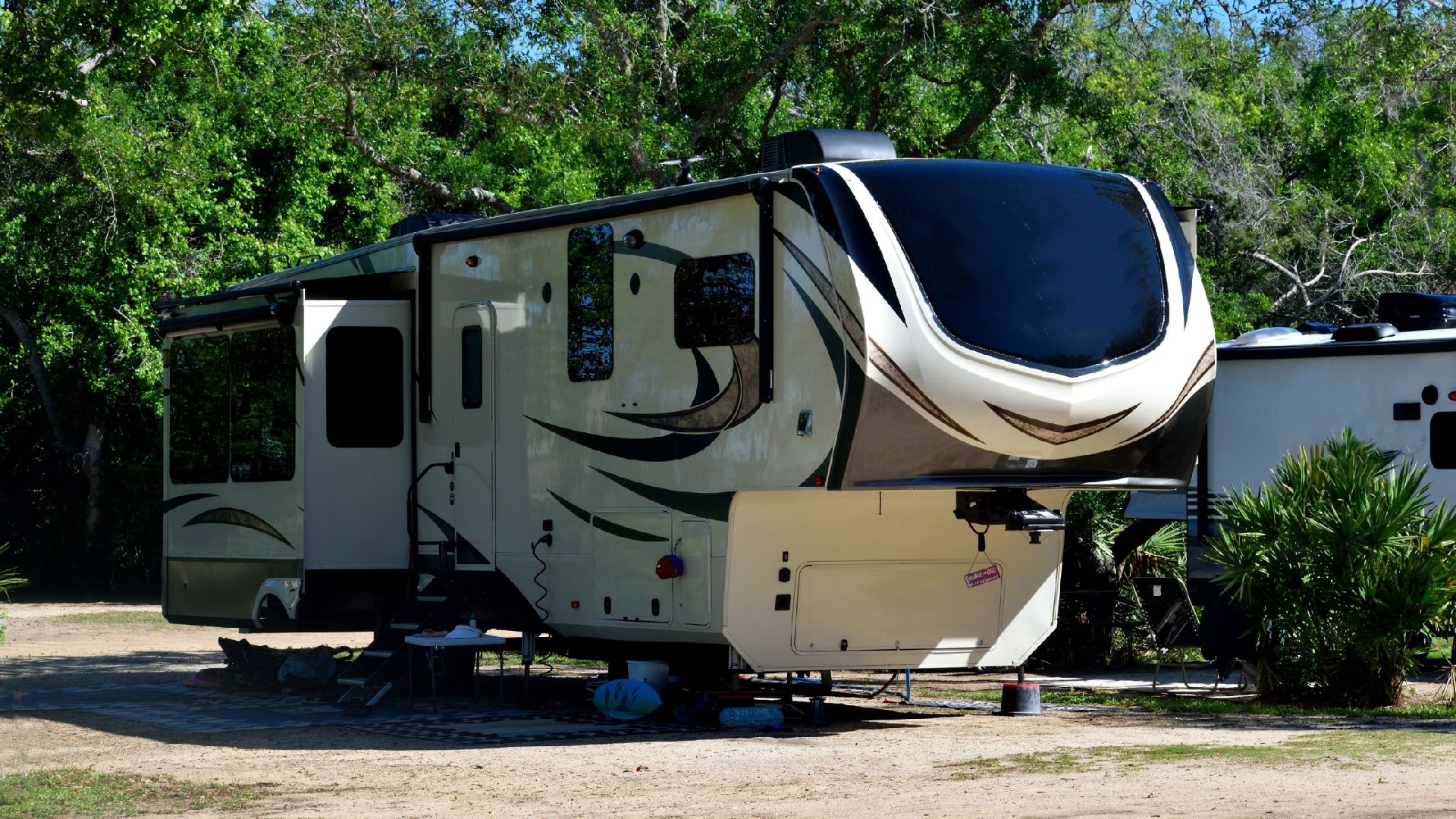
In the realm of camping vehicles, travel trailers and pop-up campers offer two distinctive experiences. Weight and towing capabilities stand as one of the foremost considerations when deciding between them. Generally, travel trailers are more substantial in weight. They demand a tow vehicle with a higher towing capacity, such as trucks or larger SUVs. On the other hand, pop-up campers are relatively lightweight, which expands the range of suitable tow vehicles, even including many family sedans and smaller SUVs.
When we discuss towing, the weight isn't the sole factor. Aerodynamics play a role too. Travel trailers, due to their solid structure, present a larger surface area against the wind, potentially affecting fuel efficiency and the towing experience. Pop-up campers, however, when collapsed, present a lower profile which could lead to smoother towing.
When the adventures end and it's time to store your camper, both options present their own challenges and benefits. A travel trailer, being larger and more rigid, often requires more dedicated storage space. Many individuals opt for RV storage facilities, although if you have a spacious yard or garage, those might work as well.
In contrast, the collapsible nature of pop-up campers makes them more compact. This is beneficial for someone with limited storage options. Some models can even fit into standard home garages, which is an enticing feature for many. However, the canvas pop outs should be thoroughly dried before storage to prevent mold and mildew.
Durability is another key consideration. Travel trailers, made predominantly of solid materials, tend to have a longer lifespan. They typically endure for many years if maintained properly. Their solid walls offer greater protection against the elements, but they can be susceptible to issues like water leakage if not periodically checked.
Pop-up campers, with their canvas walls, are more vulnerable to wear and tear. Environmental factors such as rain, wind, and UV rays can affect their longevity. However, with proper care, like regular waterproofing treatments and ensuring they're stored dry, they can still serve for a good number of years.
Both travel trailers and pop-up campers offer protection against the elements, but to varying degrees. Travel trailers, with their hard walls and insulated interiors, often provide better insulation against cold and heat. This can be crucial when camping in extreme temperatures.
Pop-up campers, on the other hand, are somewhat more exposed. Their canvas sides provide limited insulation. However, this can be advantageous in mild climates, as the canvas allows for better airflow and a more immersive outdoor experience.
The camping experience varies significantly between the two. Travel trailers often offer the comforts of home on the road – a cozy interior, kitchen amenities, and often a bathroom. This might appeal to someone seeking a more luxurious camping experience.
Conversely, pop-up campers offer something closer to tent camping. While they elevate the experience with better sleeping space and some amenities, they maintain a strong connection to the outdoors. The sound of rain on the canvas or the breeze flowing through might appeal to purists.
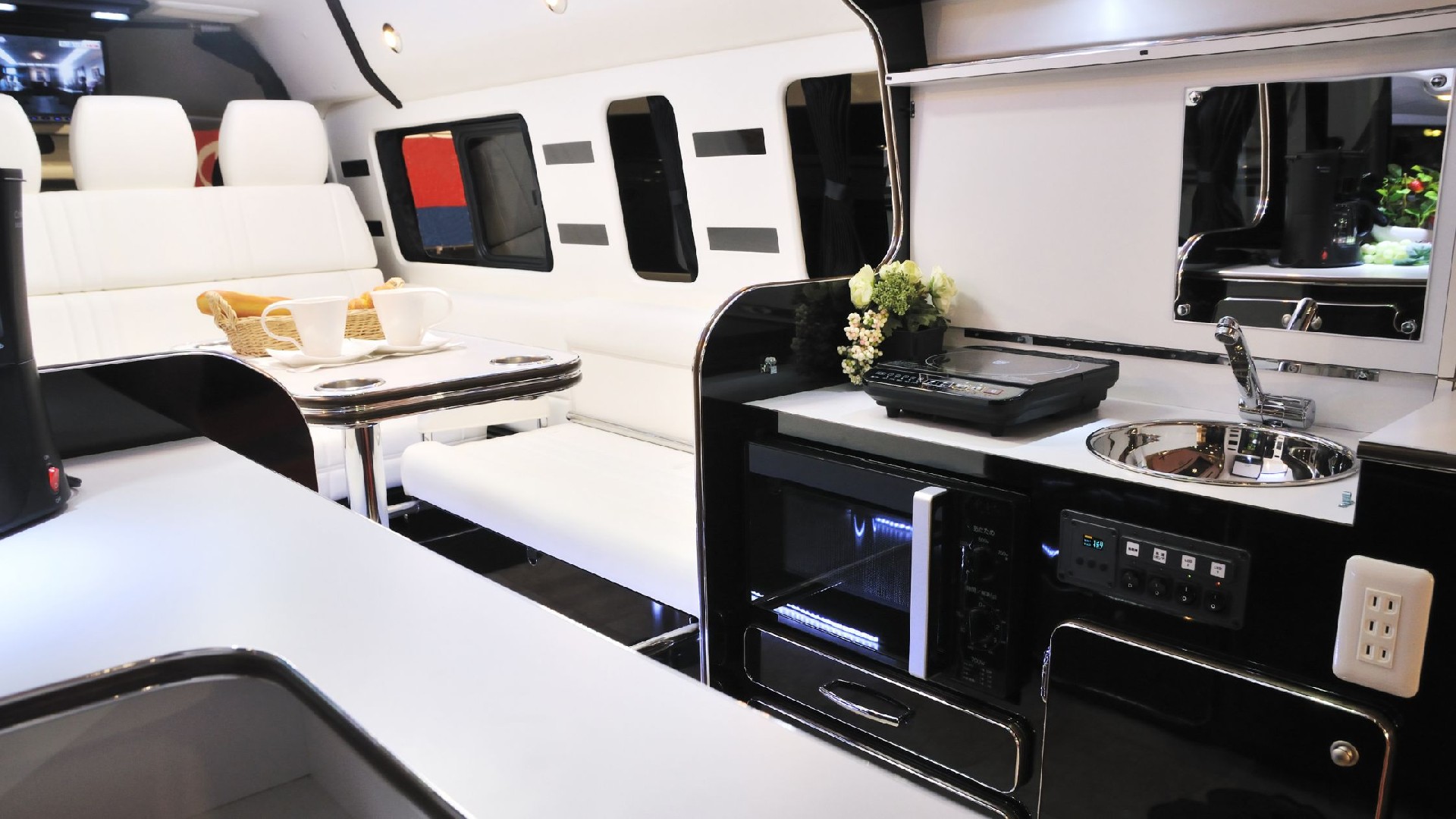
A major difference lies in the amenities they offer. Travel trailers often come equipped with:
Pop-up campers are more basic. While many have:
Fewer boast bathrooms or expansive living spaces. The choice then depends on what conveniences you prioritize.
Boondocking, or off-grid camping, is when you camp without the traditional hookups. For these adventures, it might appear that travel trailers, with their larger storage capacities for water and waste, would be superior. But there's a twist. Pop-up campers, being lighter, can often reach more remote and rugged locations that might be challenging for a bulkier travel trailer. It's a trade-off between comfort and accessibility.
For families, especially with children, space and safety become paramount. Travel trailers, with their larger floor plans and solid walls, might offer the required roominess and perceived safety. They can accommodate separate sleeping areas, ensuring privacy and comfort.
Pop-ups, while cozier, might feel cramped with a larger family. However, they do offer a more intimate setting, which some families might cherish.
Traveling with pets presents its own set of challenges. Pop-up campers, with their canvas walls, might not be the best choice if a pet has a tendency to scratch. Travel trailers provide a more contained environment, potentially making them more suited for furry companions.
Maneuverability is essential, especially for those new to towing. Pop-up campers, due to their size and weight, are often easier to handle, park, and set up. In contrast, travel trailers require more skill and experience, particularly in tight campgrounds or when reversing.
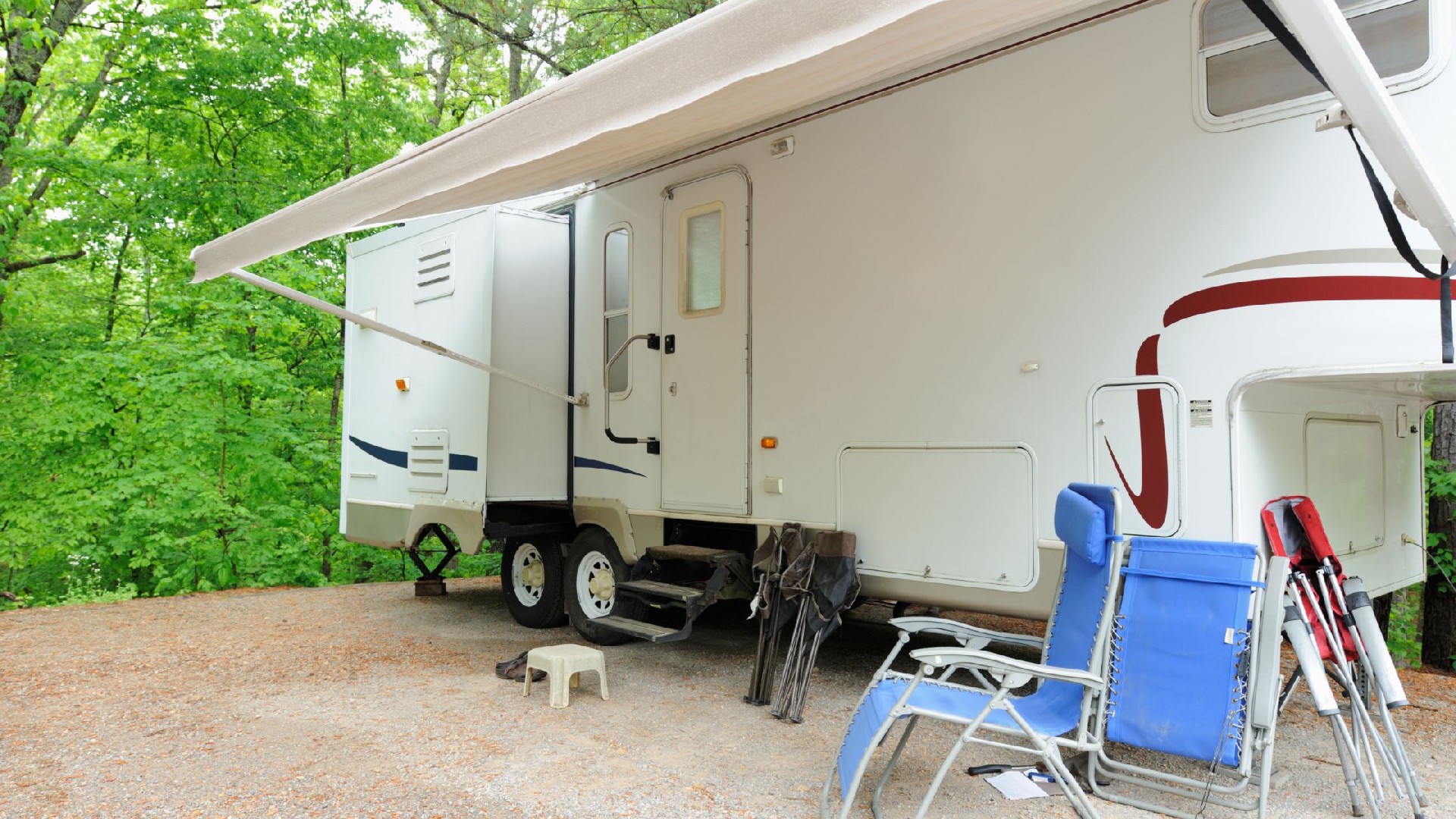
Setting up a pop-up camper generally requires more hands-on work, as you'll need to raise the roof, pull out the beds, and possibly set up the dinette. Travel trailers, in comparison, might only require leveling and connecting to amenities.
When it comes to packing, travel trailers might offer more storage compartments and spaces to stash your gear. Pop-ups, due to their design, might require more strategic packing to ensure everything fits and is accessible.
Travel trailers, with their solid walls and doors, naturally offer more privacy and security. Their design also provides better insulation from noise. Pop-up campers, while lockable, are more exposed due to their canvas walls. The choice between them often boils down to the balance between a sense of security and a desire for a more direct connection to the camping environment.
The market is abundant with diverse travel trailer models, each catering to different needs. From compact teardrops to expansive multi-room designs, there's something for everyone. Many dealers also offer customization, allowing buyers to tailor their trailers to specific preferences.
Pop-up campers, while more uniform in design, still present variety. From basic models catering to the minimalist camper to those equipped with slide-outs and added amenities, choices abound. Customization might be more limited compared to travel trailers, but there's still room for personal touches.
Choosing between the two requires a deep dive into personal preferences and camping goals. Consider the following:
The travel trailer and camper market in the US is nothing short of a treasure trove for those with a penchant for road adventures. The range of options one finds, coupled with the surge in the popularity of RVing, makes it clear that there's more to this lifestyle than just a fad.
A travel trailer offers an enticing blend of comfort and style, catering to a wide audience ranging from solo travelers to families. The models available in the market are as diverse as the camping experiences people seek. On one hand, you have trailers that come with a kitchen, bathroom, and sleeping space that can rival the amenities of a small apartment. On the other, there are simpler designs for those who prioritize mobility and ease of setup.
Pop-up campers, also known as tent trailers, offer a unique blend of tent camping and trailer convenience. With canvas walls that expand and create an elevated sleeping and living space, they're a great choice for someone looking to upgrade from traditional tent camping without committing to a larger RV.
When it comes to selecting the right type of camper, the debate often hovers around two main options: travel trailers and pop-up campers. The choice often boils down to one's individual needs, preferences, and the kind of camping experience they're after.
Before diving into the factors to consider, let's understand something. Both travel trailers and pop-up campers have their merits. While the former offers more amenities and space, the latter provides a closer connection to the outdoors without completely sacrificing comfort. So, how does one decide?
Here are some factors to consider:
The road to choosing the perfect camper is paved with many considerations, from budget constraints to the type of camping experience one desires. Whether you lean towards the spaciousness and comfort of travel trailers or the simplicity and closeness to nature that pop-up campers offer, the market has something for everyone. Remember, the journey is as important as the destination. Choose wisely, and happy camping!
Explore the Black Series lineup
Ready for the trail? See the Black Series off-road trailers for sale – and browse the full lineup.
Related reading:
Keep going: Black Series vs Outdoors RV · Black Series vs Off Grid Trailers · Walkthrough videos · Compare all eight models